


In at least 61.5% of cases resulting in monetary sanctions, the fine imposed was below the statutory minimum for at least one defendant, while a ban on carrying out activities was not imposed in a single case
Podgorica, 16 August 2026 – The sanctions policy in the area of environmental impact assessment in Montenegro has a limited preventive and deterrent effect, according to an analysis by NGO Eco-team based on 58 final and binding misdemeanour cases from the period 2020–2025.
The cases analysed were heard before the misdemeanour courts in Bijelo Polje, Podgorica and Budva and concerned breaches of obligations prescribed by the Law on Environmental Impact Assessment. Most commonly, these involved commencing projects or carrying out activities without first obtaining approval of the Environmental Impact Assessment Report, or a decision that an EIA Report was not required, as well as failure to implement environmental protection measures established by the Report or by a decision of the competent authority.
Of the 58 cases analysed, 39, or 67.2%, resulted in monetary fines. Proceedings were discontinued in 12 cases, defendants were acquitted in five cases, while warnings were issued in two cases. This means that 17 cases, or 29.3% of the sample analysed, ended without liability being established and sanctioned, due either to discontinuation of proceedings or acquittal.
Of particular concern is the finding that in at least 24 of the 39 cases resulting in monetary sanctions, or at least 61.5%, the fine imposed was below the statutory minimum for at least one defendant. The total nominal value of fines imposed in the 39 cases amounted to EUR 50,180, which is relatively low considering the number of cases, the types of projects involved, their potential environmental impacts, and the economic benefits that project developers may obtain by carrying out activities without first completing the required procedure.
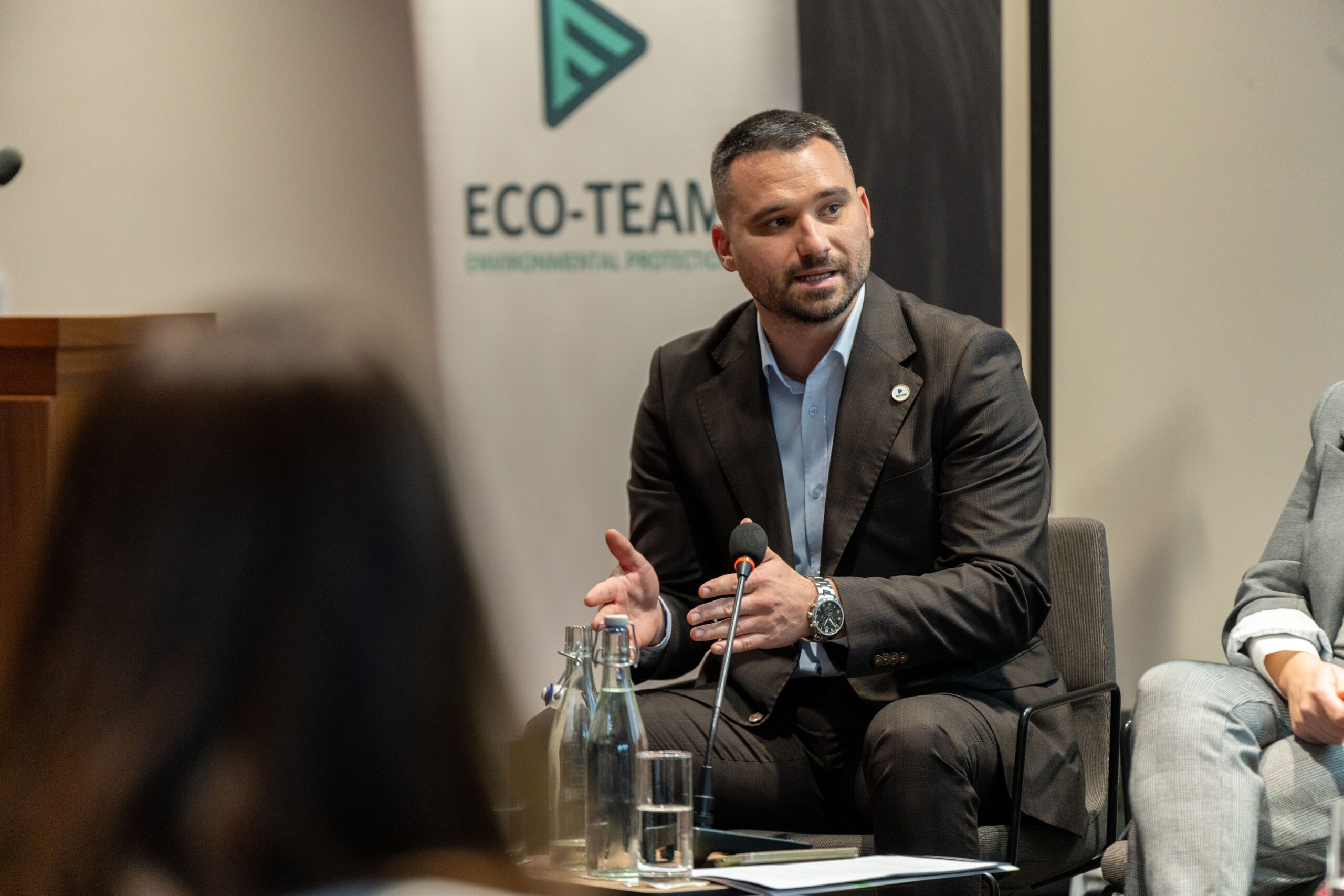
“The data show that breaches of obligations intended to prevent or mitigate the negative impacts of projects frequently result in fines below the statutory minimum and, in a significant number of cases, without an effective sanction at all. In such a system, there is a risk that compliance with environmental regulations may be viewed as an additional cost, while breaching them becomes an acceptable business risk,” said Milija Čabarkapa, Executive Director of NGO Eco-team.
The actual financial impact of the sanctions may be even lower, as the law allows a fine to be deemed paid in full if two-thirds of the amount imposed is paid within the prescribed deadline. Eco-team notes that the court documentation provided does not contain information on the actual collection of fines, making it impossible to determine how much was ultimately paid.
The analysis also found that the protective measure of prohibiting the carrying out of activities was not imposed in any of the 58 cases, although such a measure is provided for by law in relation to certain offences. This measure can be particularly important where there is a risk of continued unlawful conduct or repeated violations, as a financial penalty alone may not be sufficient to stop an activity that generates greater economic benefits for the project developer.
Eco-team recommends that courts assess more carefully the seriousness of the offence, the potential consequences for the environment, the economic benefit obtained through the breach of the law, previous offences, and the actual deterrent effect of the sanction. Fines below the statutory minimum should be the exception and should be accompanied by a clear and specific explanation of the reasons for mitigation.
At the same time, the quality of inspection records, evidence collected, and requests for the initiation of misdemeanour proceedings should be improved in order to reduce the risk of acquittals, discontinuation of proceedings and cases becoming time-barred. Inspections should be planned, regular and risk-based, with priority given to projects in environmentally sensitive areas and entities where irregularities have previously been identified.
“Environmental impact assessment must not be treated merely as an administrative step that can be remedied retrospectively by obtaining the necessary documentation. Its purpose is to identify and assess potential impacts before a project is approved and implemented. Sanctions must therefore be timely, consistent and strong enough to prevent repeat offences. A penalty that does not deter does not protect,” Čabarkapa concluded.
The analysis, “Environmental Impact Assessment in Montenegro: Analysis of the Legislative Framework, Implementation and Sanctions Policy”, was prepared within the project “Enforcement Gap: Environmental Accountability in Investment Projects”, implemented by NGO Eco-team with the support of the Balkan Trust for Democracy.